How Do We Live? Hogyan Élünk?
How Do We Live? investigates how fragments, whether material, conceptual, or perceptual, construct our understanding of the world. Through diverse artistic practices, the exhibition explores the interplay between memory, materiality, and abstraction. It invites viewers to reflect on how incomplete or ambiguous elements evoke broader narratives, bridging the personal and the universal.

Drawing on John Dewey's assertion that art is an intensified form of human experience, the exhibition considers how meaning emerges through active engagement with materials, processes, and perceptions. Dewey's emphasis on art as a participatory and sensory process resonates with the tactile and temporal qualities of the works on display. Nicolas Bourriaud's concept of relational aesthetics further underpins the exhibition, framing art as a site of encounter and dialogue. The selected works invite viewers to participate in the process of meaning-making, whether by navigating the shifting perspectives, interpreting the fragmented narratives or finding personal connections. These experiences align with Bourriaud's belief that art creates "micro-utopias" — temporary spaces for shared discovery and reflection, fostering connections between individuals and their environments.
The places I've been
The things I have said
The colours I have seen
The textures I have touched
The food I have tasted
Who are you?
How do we live?
Olivia Fero
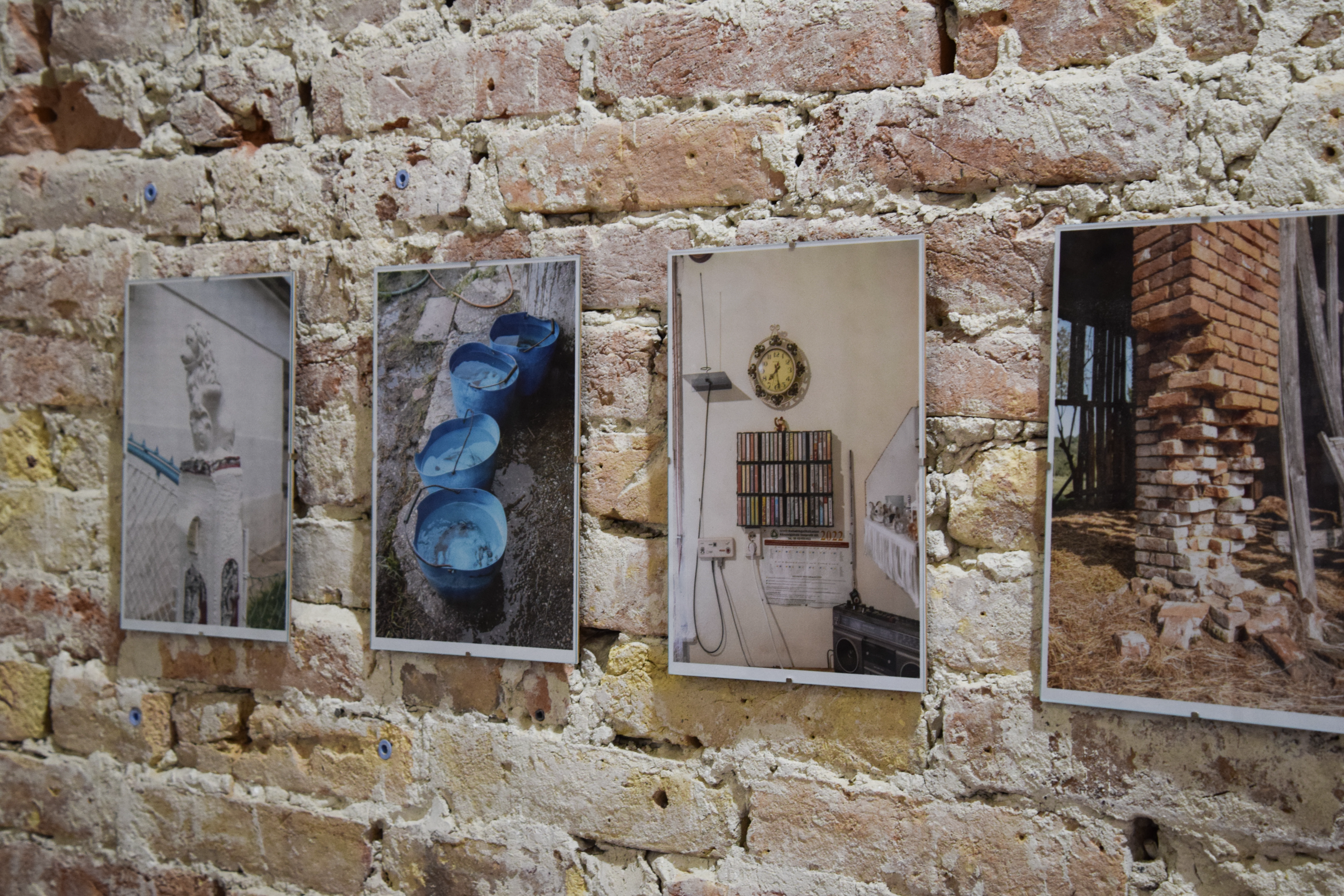
Daniel Halász (Hungary/Austria)
Daniel Halász was the recipient of the Capa Grand Prize Fellowship in 2020, was nominated for the Esterházy Art Award in 2019, and won the Google Photography Prize in 2009. The exhibition and book launch of his doctoral research at MOME Budapest and LUCA School of Arts / KU Leuven, Belgium, will take place in April in Budapest.
Halász's photographic works delve into the intersections of memory, societal structures, and rural identity, offering a poignant exploration of life on the margins. His photographs highlight traces of human presence and the stark contrast between ideological perceptions and lived experience. The exhibition features a selection of photographs documenting life in the Hungarian countryside from his doctoral research project titled "Falu," inviting reflection on the constructed nature of societal narratives and the fragile realities they obscure.
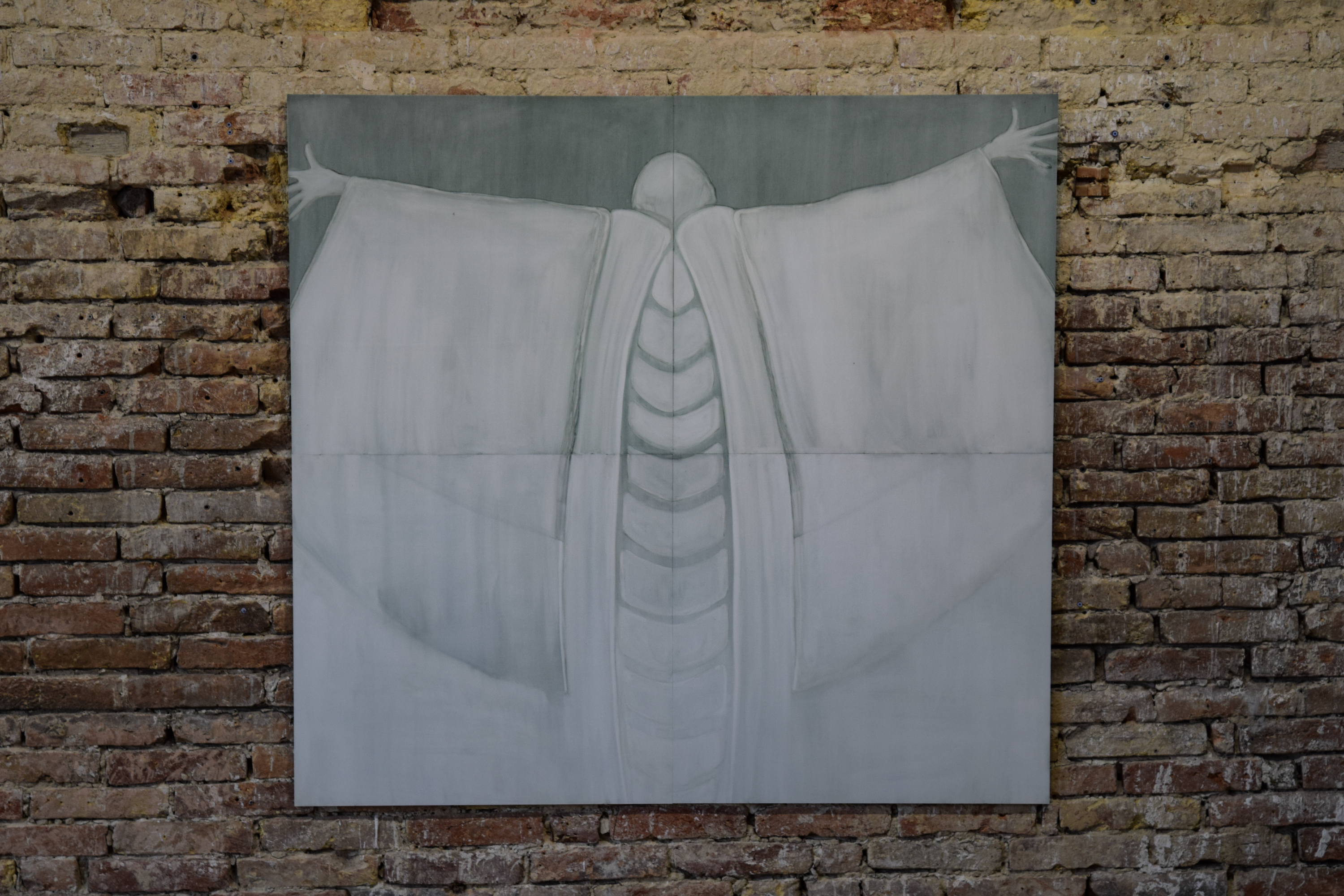
Lina Norell (Sweden/Norway)
Lina Norell received her MFA from Kunstakademiet, Kunsthøgskolen, Oslo in 2017. Her works have been exhibited in solo and group shows in art institutions in Europe and the US and her introverted paintings have a cult collectors base. She has also been an exhibition coordinator for the Nordic Biennale of Contemporary Art and numerous other shows and currently works in the Munch Museum in Norway.
Norell's oil paintings vacillate between the figurative and abstract, creating mental landscapes that explore apocalyptic and sci-fi undertones. Her works highlight the tension between personal narratives and larger existential themes, offering a fragmented view of both interior and exterior worlds.
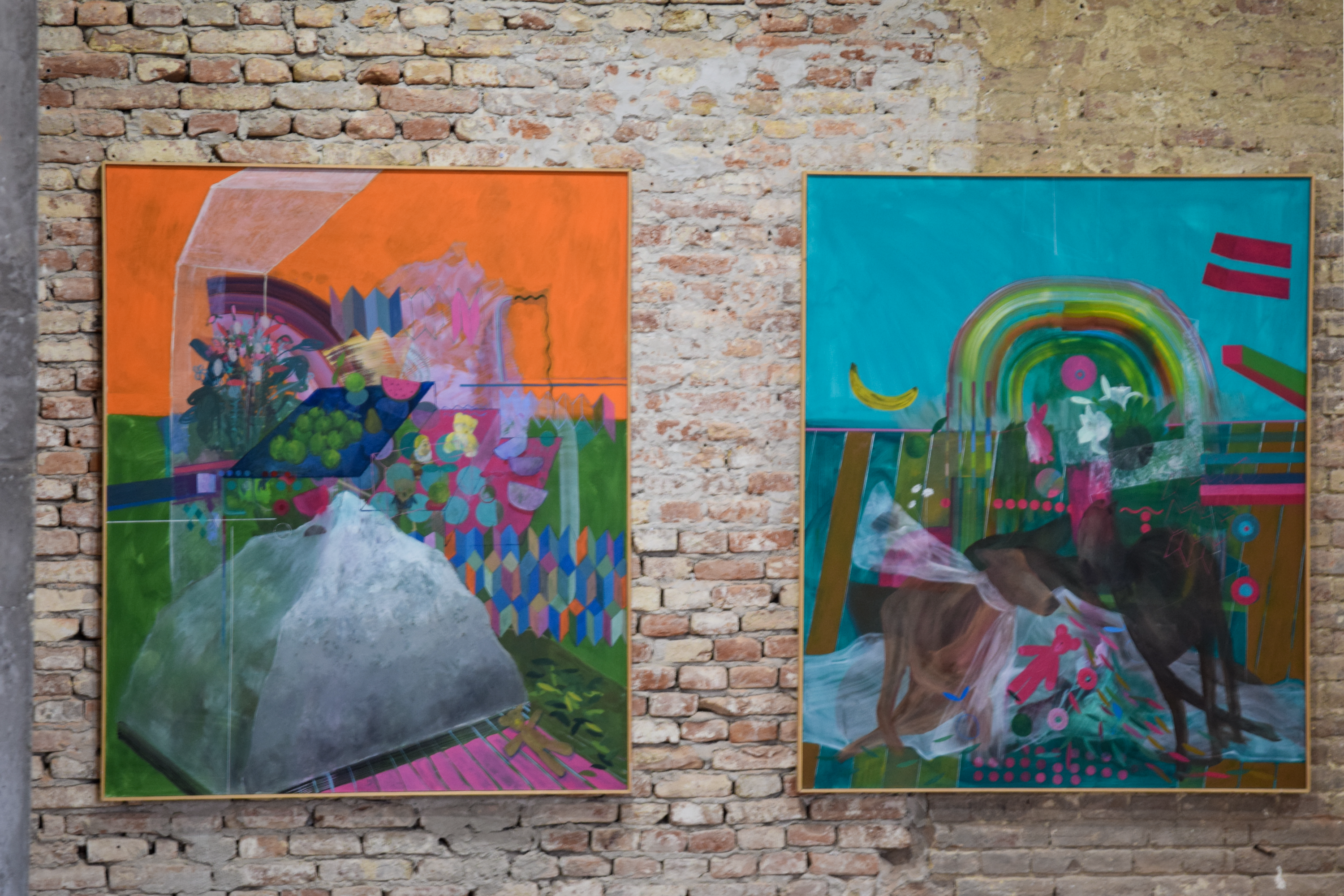
Zoran Šimunović (Croatia)
Zoran Simunovic has recently had a major retrospective at the Museum of Modern Art, Dubrovnik and is one of the most active contemporary Croatian painters today. His work can be seen in numerous public and private collections, both in Croatia and abroad.
Šimunović's paintings navigate the boundary between figuration and abstraction, creating dreamlike spaces where memory and emotion converge. His works feature a vibrant pastel colour palette and archetypal forms; animals, plants, and ambiguous figures, that float in gravity-defying compositions. Some of his works feature digitally generated compositions that emphasise the tension between traditional painting and contemporary technology.
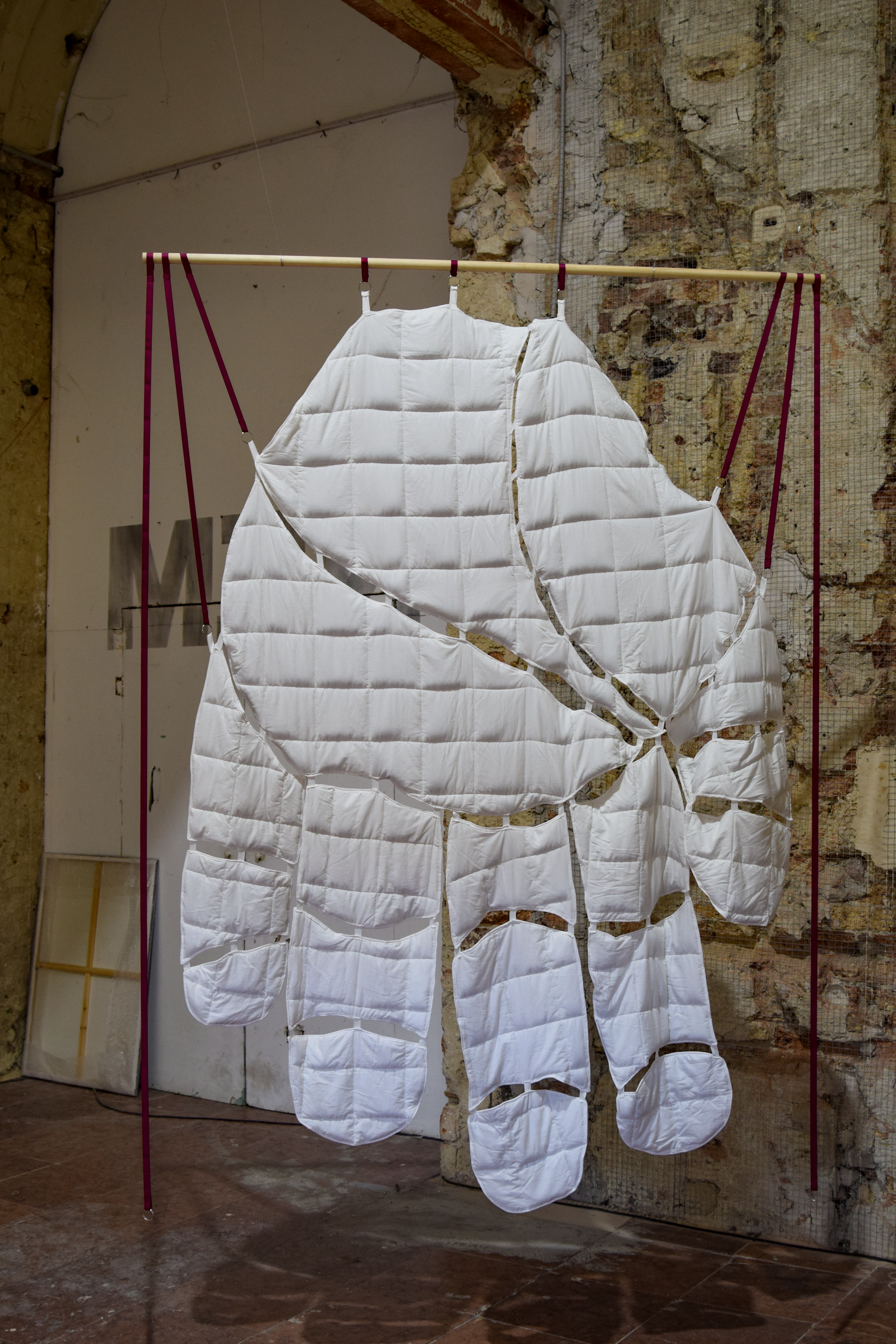
Marie Thams (Denmark)
Thams graduated from Royal Danish Academy of Fine Arts, Copenhagen in 2011. She has exhibited in a number of solo and group exhibitions nationally and internationally. Her work is part of the collections of SMK, Aalborg Municipality's Art Foundation and private collections. And her first artist monograph This Biopolitical Arena has just been published by Marrow Press, Copenhagen.
Her practice combines many artistic disciplines, including installation, sound, sculpture, text, film and performance. Drawing on her own lived experience and using her own voice and language, she dismantles structures and patterns in works to which the body is always central. In the textile and performance pieces in the exhibition the artist explores interdependence, societal institutions and touch hunger, and how this affects our bonding abilities, political landscape and more.
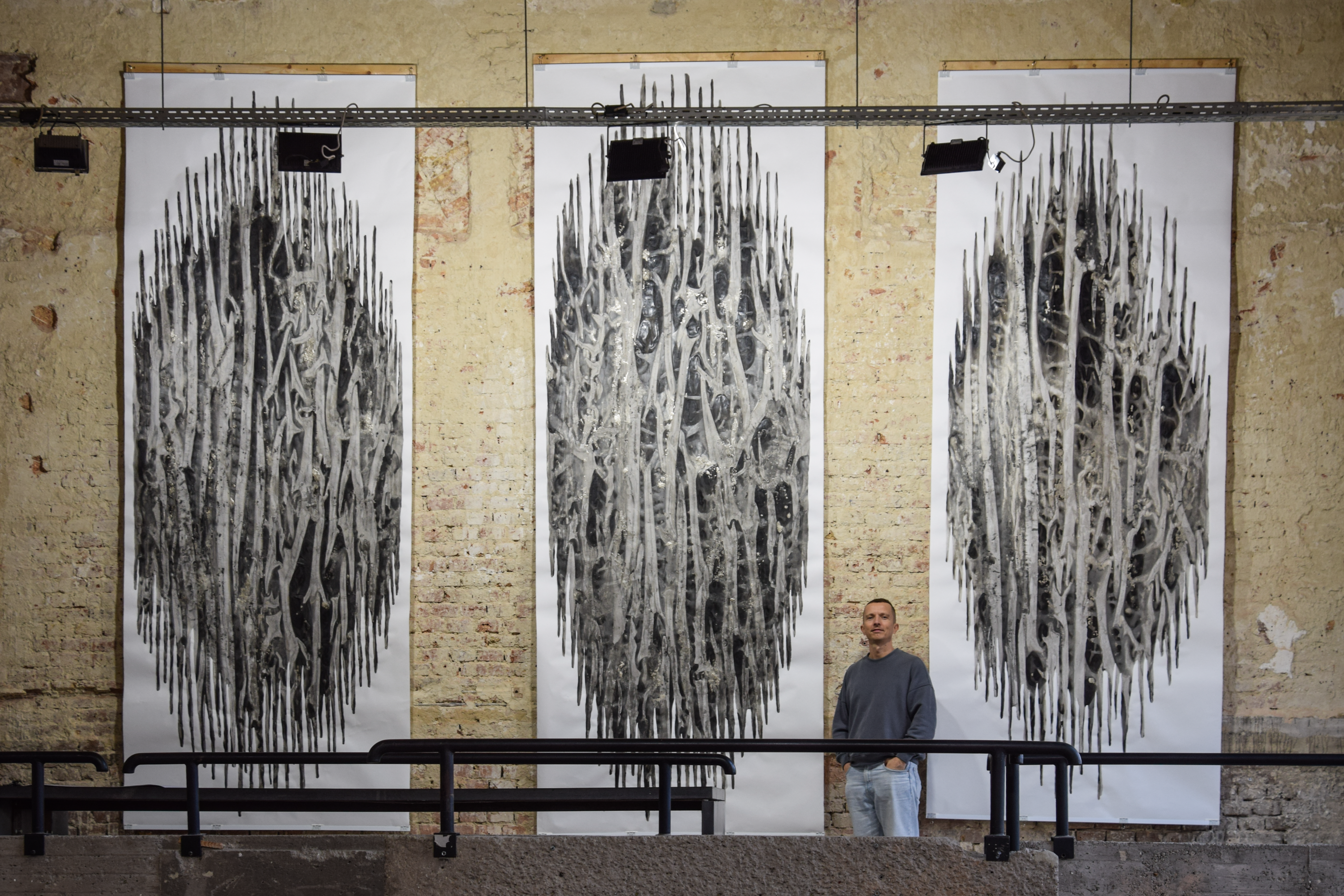
Maciej Urbanek (Netherlands, UK)
Maciej Urbanek studied at the Royal Academy of Arts in London, where in 2010 he was awarded the RA Gold Medal. He was invited to join the faculty of the RA Schools, first as a Fellow and then as a Photography Tutor, the role he held for a decade. He runs an experimental art gallery in London.
Urbanek's abstract works explore strategies of mark-making, the interplay between control and chance, and a deep interrogation of the nature of the materials he uses. His aim is to produce new visual vocabularies oscillating between simplicity and chaos, fragility and strength, and the universal and the specific. Urbanek's contributions to the exhibition invite viewers to engage with his art on a sensory and emotional level, drawing connections to their own experiences and perceptions.
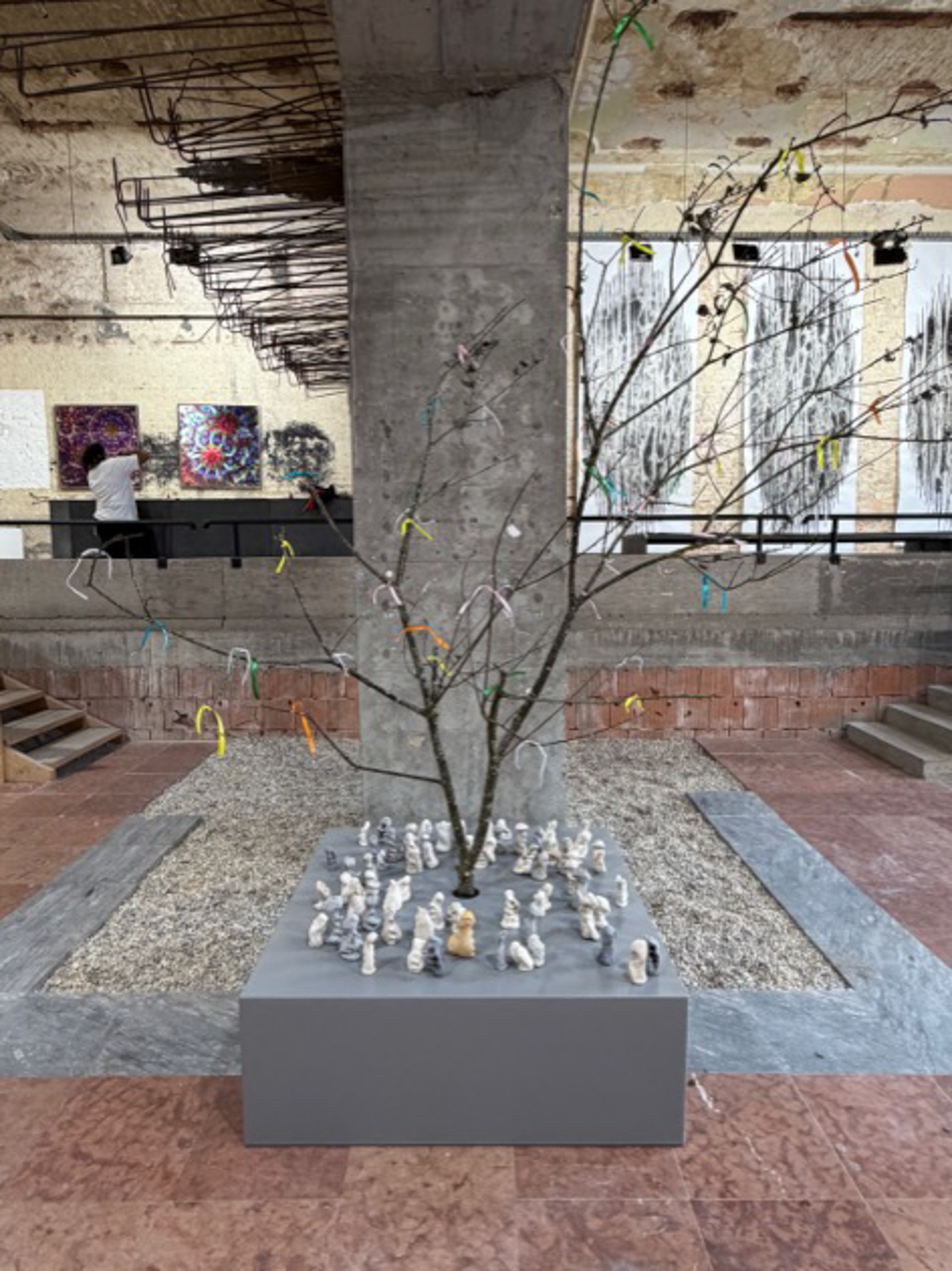
Collective Installation
Field of Pilgrims by Maya Dharmavaram (IN), Olivia Fero (UK), Muhammad Návid (PK), Seyedehazam Sadat (IR), Beesan Salhab (SY), Dounia Tabti (MA)
Group installation by students of the MA International Ceramic Design program. The figures emerged from gestural exercises in Kinga Ránthonyi's Ceramic Sculpture course and inverts the gaze of Antony Gormley's "Field" series, rather than figures gazing outward at viewers and obstructing the gallery space, here individual gestures accumulate and inviting you to join a collective meditation on individual wishes and dreams; reflecting on intention and ritual across cultures. The form and title refers back to Csontvary's iconic painting Pilgrimage to the Cedars in Lebanon.
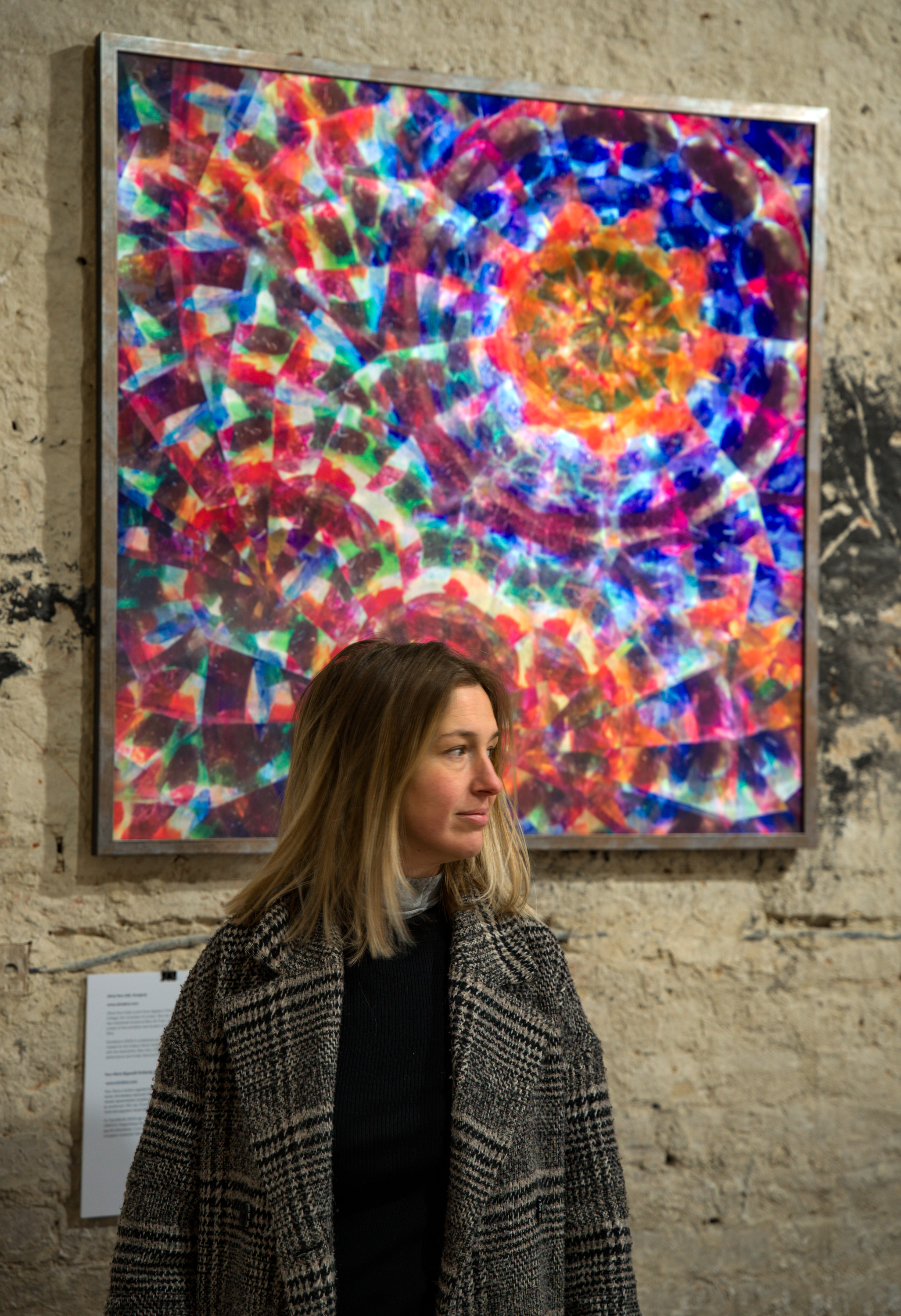
Olivia Fero (UK, Hungary)
Olivia Fero holds a joint Hons degree in Fine Art and History of Art from Goldsmiths College, the University of London. She has many years of teaching experience and has maintained studios at Bow Art Trust, London and TAC, Eindhoven. She is the curator of this exhibition and student of the Ceramic Design MA at the University of Pécs.
Oscillations (2023) is a kaleidoscopic animated lenticular series that was created for the Unesco World Heritage City of Light exhibition in conjunction with the HoloCentre, New York. It turns the private act of looking into a public performance and invites discovery through movement.
Photo credits to Maya Dharmavaram, all works are copyright of the artists.